Getting to Know Standby Generators: Crucial Details for Every Property Owner
Standby generators are necessary for owners who need trustworthy emergency power during power failures. The generators automatically identify electrical loss and start up in moments, guaranteeing necessary utilities stay working. Knowing their parts, pros, and fitting specifications is important for informed decision-making. As homeowners consider investing this equipment, many considerations are important that might significantly affect their choice. What factors should owners focus on when picking the ideal generator for their needs?
How Does a Standby Generator Work?
A standby generator is a backup power system intended to instantly deliver energy during a loss of utility power. Unlike portable generators, that need manual configuration and gas refills, standby generators are set up permanently and linked to the home's power grid. This setup permits them to sense power loss and turn on within seconds, ensuring that necessary equipment and functions keep running.
Standby generators operate using propane or natural gas, ensuring they are reliable for extended use without frequent refueling. They are available in different sizes, meeting various energy demands, from compact home systems to heavy-duty industrial units. Additionally, many models include features such as automatic transfer switches, which smoothly transition electrical supply without user intervention.
How Standby Generators Work?
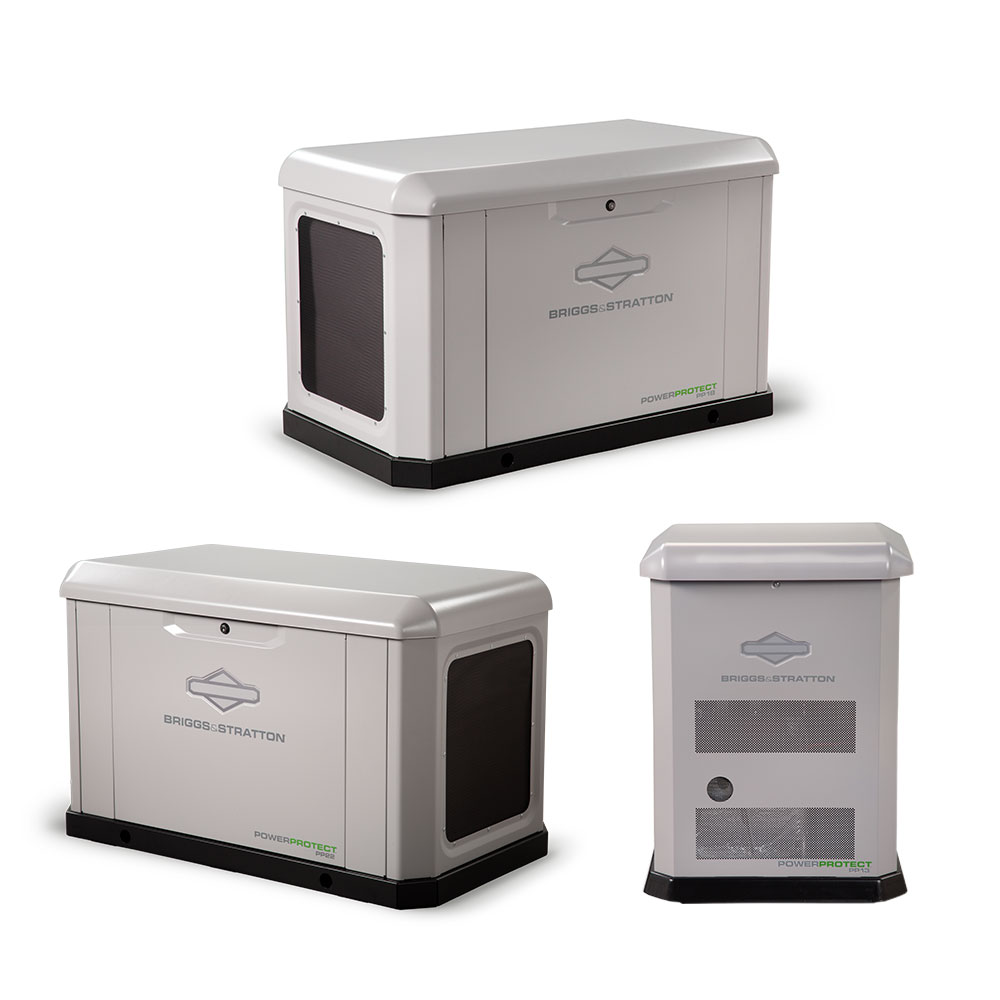
Standby generators operate by continuously monitoring the power delivery to a house or structure. Once an electrical failure is sensed, these generators automatically switch on, supplying continuous energy to the property. This process begins with the generator’s control panel, which detects the failure of grid electricity. Once sensed, it transmits a command to activate the unit in a few moments.
Using natural gas or propane as fuel, the generator starts up and produces power. The power produced is then routed through a transfer switch, which separates the house from the utility lines to avoid power feedback. The automatic transfer switch ensures that the home is supplied with power from the generator until the utility is restored.
Once the electricity returns, the standby generator powers down automatically and waits in standby mode, ready to activate again if needed. This automatic functionality makes standby generators a trustworthy power backup during outages.
Primary Benefits of Backup Generators
Backup generators provide significant advantages, chiefly by securing act now an constant power access when the grid fails (Portland Standby Generators). This reliability improves convenience for property owners but can also lead to an higher property valuation. As a growing number of people desire robust power options, the appeal of standby generators keeps increasing
Constant Power Availability
While grid failures often halt daily life and business operations, standby generators provide a reliable solution by guaranteeing continuous electricity. They activate themselves when the power goes out, maintaining essential functions such as HVAC and cold storage. This feature is especially helpful for firms requiring steady power to maintain client services and protect stock. Furthermore, backup generators improve security by keeping security systems and backup lights working during electrical failures. By cutting back on interruptions, they limit possible monetary setbacks, allowing homeowners and businesses to resume normal activities promptly. In summary, backup generators provide reassurance, confident that electricity will be accessible when it is needed most, safeguarding both property and livelihood from the uncertainty of grid instability.
Higher Home Valuation
Property owners and companies may find that installing a standby generator significantly increases home worth. This increase can be attributed to several factors, such as the desirability of dependable electricity during outages. Prospective purchasers frequently see homes with standby generators as highly sought after due to the enhanced protection and comfort they offer. Furthermore, the systems help lower the chance of harm to residential infrastructure and equipment during power interruptions, further attracting buyers concerned about maintenance costs (Portland Standby Generators). Additionally, where extreme weather is common, a backup generator is a major advantage for sale. Crucially, the installation of a standby generator not only provides peace of mind but also is considered a worthwhile investment that can yield a good return when selling a property
Generator Types
If you are looking at options for backup power, it is important to understand the many types of standby generators available. The chief categories include portable and stationary generators. Portable generators are versatile units that can be readily relocated and are most often powered by gasoline. They are appropriate for temporary power needs but might not handle entire home systems.
On the other hand, stationary generators, often referred to as whole-house generators, are permanently installed and connected to the home's electrical system. These units usually use natural gas or propane, offering a steadier and uninterrupted power supply during outages.
A further difference is between automatic and manual generators. Automatic standby generators activate automatically during a power failure, while manual models need the user to act to activate. Understanding these differences aids property owners in picking the best suited generator type for their specific backup power requirements.
Considerations Before Purchase
Before purchasing a standby generator, buyers need to assess several key factors. Determining power requirements, picking the appropriate fuel type, and analyzing installation and maintenance needs are critical steps in the decision-making process. These considerations can greatly impact the final suitability and performance of the generator.
Determining Power Needs
Prior to buying a standby generator, it is essential to assess the specific power requirements to guarantee adequate support during outages. Property owners must first identify the critical appliances and systems that need backup power, such as heating, cooling, refrigeration, and medical equipment. Subsequently, they must calculate the total wattage required by these devices, considering both running and starting wattages. In addition, it is important to determine whether the generator will be used for partial or whole-home backup. This analysis informs the selection of a generator with the correct size, usually quantified in kilowatts (kW). Understanding these power needs assures that the generator can effectively sustain necessary services during outages, offering security and reassurance.
Factors Regarding Fuel Selection
Selecting the best type of fuel for a standby generator is crucial, as it directly influences performance, availability, and cost of operation. Common fuel options include natural gas, propane, and diesel. Natural gas is often favored for its convenience and cleaner output, which makes it ideal for properties with access to a natural gas hookup. Propane is easily transportable and a longer shelf life, well-suited to distant sites. Diesel generators, while generally having more capacity, may lead to increased running costs and require additional storage considerations. Property owners should also evaluate how accessible fuel is locally and the risk of changing prices. Additionally, environmental regulations may affect the fuel selection, prompting consideration of cleaner alternatives to adhere to standards and improve green initiatives.
Requirements for Installation and Upkeep
The choice of fuel type for a standby generator is just one aspect of the decision-making process; setup and upkeep needs are of similar weight. Property owners must consider the complexity of installation, which may require professional assistance, particularly for units requiring electrical connections and plumbing. Sufficient room and airflow for the generator are also crucial to maintain safety and performance.
Maintenance needs involve routine checks, oil changes, and battery checks, which are necessary for optimal operation. Some generators come with self-checking functions, making upkeep easier. Additionally, the accessibility of local maintenance staff can influence the overall upkeep. By considering these aspects, property owners can reach sound conclusions, guaranteeing the unit works when needed when power is lost.
Installation Process and Requirements
Although the installation of standby generators may seem straightforward, it involves several important phases and requirements that must be strictly observed. Initially, a thorough site assessment is required to find the optimal location for the generator, taking into account distance from the home and accessibility for maintenance. Regional building codes and zoning regulations must be reviewed to verify conformity.
Next, proper sizing is critical; generators need to be picked based on the property's power requirements. Following unit selection, a certified electrician usually manages the installation, linking the generator with the electrical system and checking for proper grounding.
Fuel supply lines, such as natural gas or propane, must be put in place, complying with safety standards. In conclusion, a transfer switch is needed to control electricity during outages. Following these steps guarantees a safe and efficient installation, laying the groundwork for reliable backup power.
Maintenance and Safety Tips
Consistent servicing of standby generators is essential for securing their trustworthiness and longevity. Property owners need to stick to a regular maintenance schedule, which includes inspecting the generator every month. This means looking at the oil level, battery condition, and fuel system for leaks or corrosion. In addition, it is imperative to run the generator periodically to verify it operates correctly during power outages.
Safety is paramount when operating standby generators. Owners must make certain that the generator is installed outdoors in a well-ventilated area to stop CO buildup. A transfer switch is vital to prevent backfeeding into the electrical grid, which might jeopardize utility workers. Moreover, it is prudent to keep the generator clean and free from debris to avoid overheating. By following these maintenance and safety tips, property owners can optimize the functioning and lifespan of their standby generators, ensuring tranquility during power interruptions.
Frequently Asked Questions
How Long Can a Standby Generator Run Continuously?
A standby generator can run continuously for up to 24 hours on a full tank of fuel, subject to its capacity and the load it carries. Scheduled servicing guarantees optimal operation and long life, extending its usage period when needed.
Can Standby Generators Provide Electricity For The Full Residence?
Emergency power systems can supply electricity to a whole house, depending on their size and output and the home's electrical load - Portland Standby Generators. Proper sizing and fitting are vital to ensure adequate energy for critical devices when the power fails
Which Kinds of Fuel Can Be Used for Backup Generators?
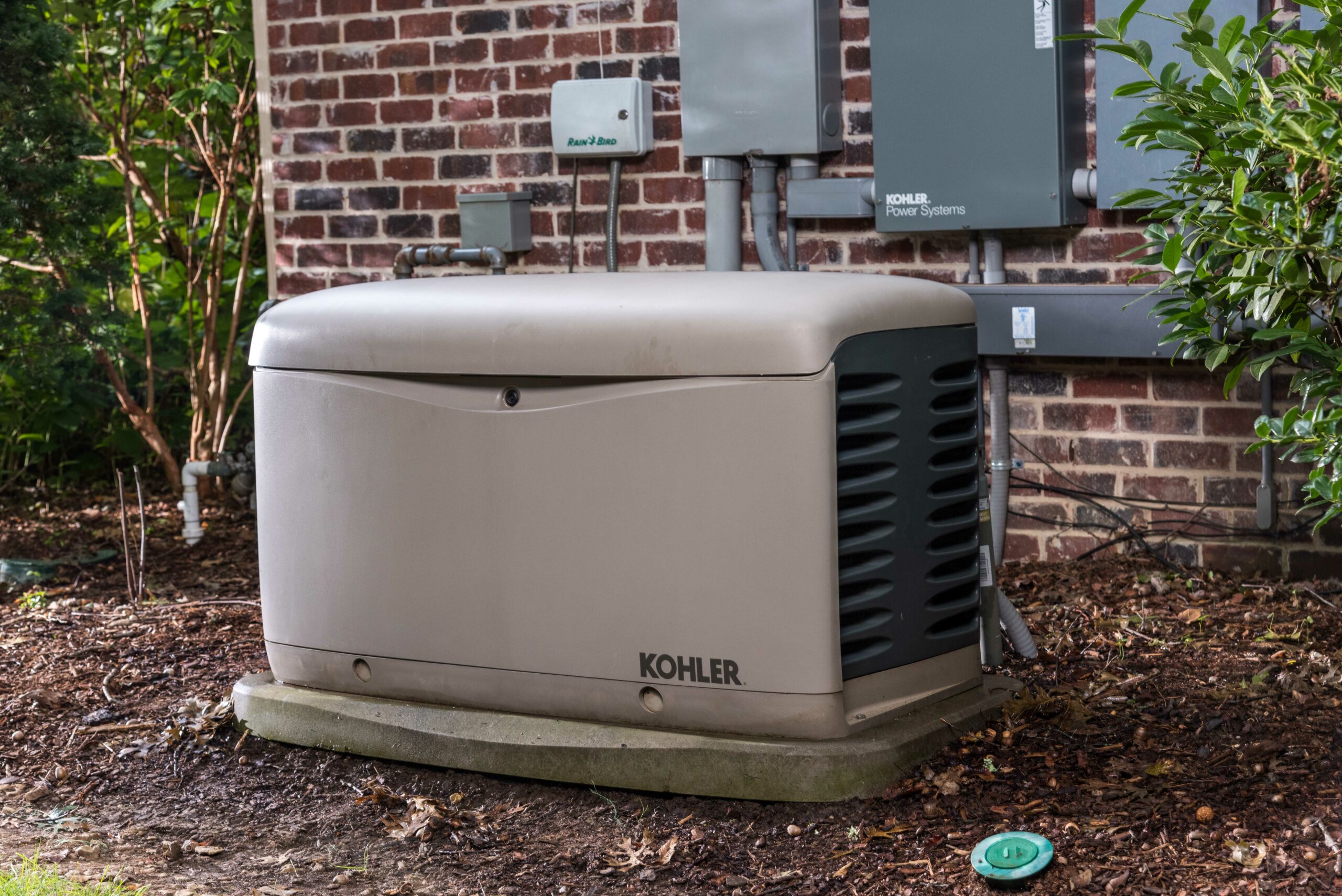
Backup power systems are compatible with various fuel types, including natural gas, LP gas, diesel, and petrol. Each energy option offers unique benefits, influencing performance, availability, and cost of operation, in accordance with the homeowner's unique circumstances and circumstances.
Are These Units Noisy During Operation?
These systems may be loud during operation, generally creating sound levels between 60 to 70 decibels. Nonetheless, innovations have resulted in less noisy units, which significantly lower noise while still providing efficient performance when the electricity fails.
Is a Permit Required For a Permit for Setting Up a Home Generator?
Yes, a formal authorization is often required for fitting a power system. Regulations vary depending on the area, so you should contact your local government to ensure conformity with zoning laws and security regulations before beginning the work.