Experienced Electrician for Secure and Efficient Electrical Solutions
Engaging a professional electrician with credentials is a crucial determination for both commercial and residential spaces. Their expertise assures adherence to local requirements, encouraging safety and efficiency in electrical systems. Disregarding electrical issues can lead to grave dangers, involving fires and shocks. Understanding the position of a licensed electrician can explain why their services are vital. What factors should one consider when picking the right professional for particular requirements?
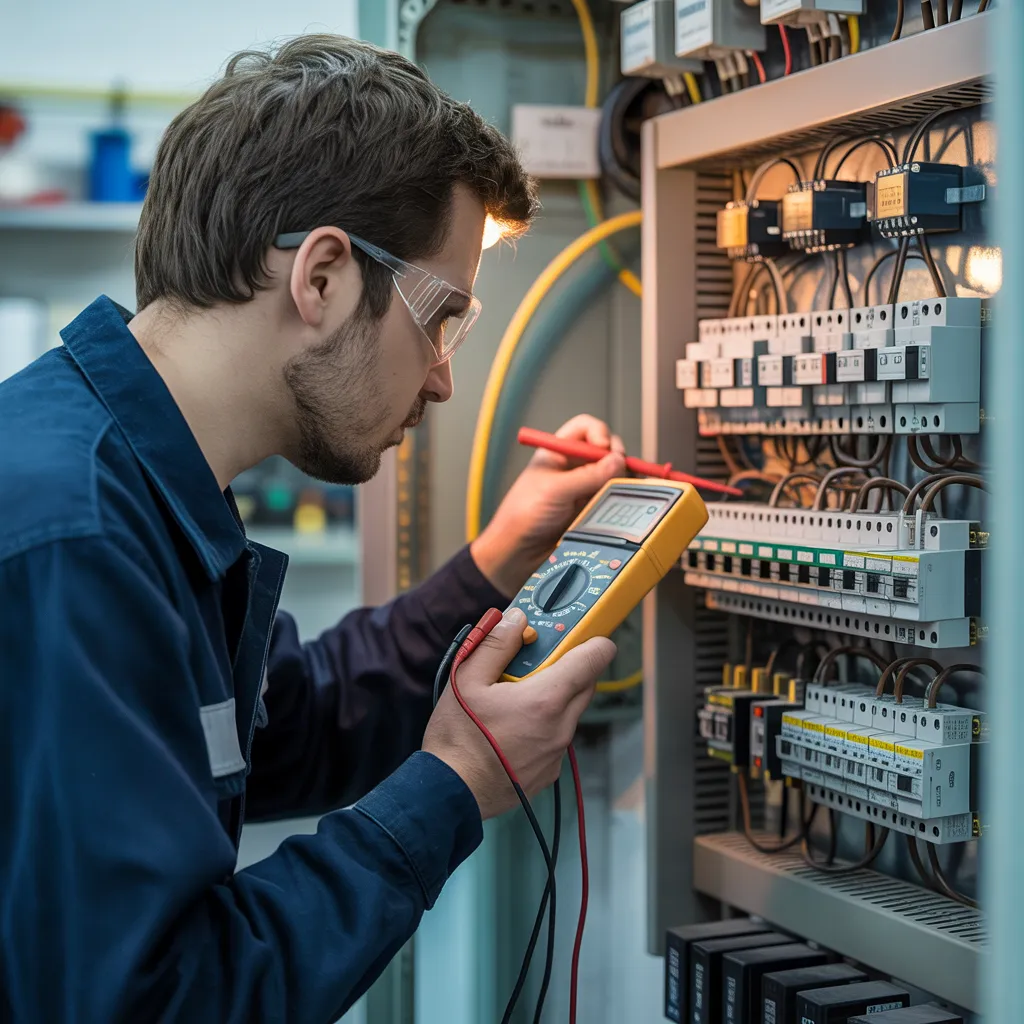
Widespread Electrical Issues You Shouldn't Neglect
Many residents might overlook usual electrical faults, but promptly dealing with these issues is necessary for safety and efficiency. Flickering lights often signal a loosened bulb or poor wiring, which can turn into more critical dangers. Similarly, frequent tripped circuit breakers indicate an excessively burdened system or potential short circuits, both needing urgent care. Overheating outlets can present fire dangers, suggesting worn-out wiring or incompatible devices. Homeowners should also be wary of unusual electrical smells, as they may show heated insulation or other critical problems. Finally, if outlets or switches are hot when touched, this can indicate a serious electrical fault. Spotting these problems soon can avoid mishaps and expensive fixes, ensuring a safer living environment. By making these general electrical problems a priority, homeowners can maintain the efficiency and safety of their electrical systems.
Why Selecting a Licensed Electrician Is Fundamental
Retaining a licensed electrician is necessary for maintaining electrical codes, which are established to safeguard property and lives. Their competence not only assures accurate setup and fixes but also stresses safety in unsafe situations. By retaining a licensed professional, homeowners can avert costly mistakes and maximize the service life of their electrical systems.
Observance of Electrical Guidelines
Guaranteeing observance with electrical codes is fundamental for the security and functionality of any electrical installation. Licensed electricians possess the knowledge necessary to navigate the complex regulations that oversight electrical work. These codes are formulated to shield users and structures from electrical threats, making certain that installations are safe and reliable. Failure to respect these codes can cause serious impacts, including electrical outbreaks, equipment damage, or pricey repairs. Moreover, many municipalities require permits for electrical work, which licensed electricians can promptly obtain. By selecting a licensed professional, homeowners and businesses can assure that their electrical systems meet all necessary standards, ultimately promoting a safer environment and extending the longevity of the installation. Compliance is not simply a regulatory requirement; it is a vital element of responsible electrical work.
Knowledge And Safety Assurance
A qualified electrical professional's expertise is crucial in guaranteeing the safety and reliability of electrical systems. Their comprehensive education and experience equip them to diagnose and address complicated electrical problems, reducing risks associated with defective wiring or inadequate installations. Licensed electricians follow rigorous safety procedures, greatly reducing the probability of accidents or code violations. Additionally, they have an comprehension of regional and federal electrical standards, which ensures adherence and safeguards homeowners from potential legal liabilities. By employing a licensed electrician, individuals can be assured that their electrical needs are met with precision, creating a safe space. Ultimately, this investment in professional expertise translates to confidence and long-term savings in upkeep and restoration.
What You Need to Know About Local Electrical Codes
Understanding local electrical codes is crucial for maintaining safety standards and regulatory adherence in any power installations. These codes not only vary by region but also set important protective guidelines that must be adhered to. A licensed electrical professional is thoroughly knowledgeable about these regulations, making their knowledge essential for any undertaking.
Importance Of Electrical Protocols
Commitment to electrical codes serves as an critical framework for safety and efficiency in electrical installations. These codes, established by local and national regulatory bodies, ensure that electrical systems are installed and designed to reduce hazards such as equipment failures, electrical shocks, and electrical fires. Adherence to these codes promotes consistency in building practices, enabling inspections and maintenance. Additionally, electrical codes are regularly revised to account for advancements in technology and safety practices, making it essential for electricians to stay informed. By adhering to these codes, licensed electricians not only protect lives but also improve the longevity and reliability of electrical infrastructure. Ultimately, the significance of electrical codes cannot be overstated, as they play a pivotal role in safeguarding both property and people.
Local Code Variations Outlined
While power regulations establish a foundational criterion for safety, community-specific differences often demonstrate the unique needs and situations of specific communities. These local codes may address factors such as climate, population density, and legacy systems. For instance, areas prone to severe weather may have stricter rules for outdoor installations, while regions with older buildings might require special considerations for retrofitting. Additionally, community leaders may implement codes to promote energy efficiency or sustainability, matching with area targets. Grasping these variations is important for property owners and construction professionals, as observance guarantees not only safety but also the lifespan of power infrastructure. Finally, engaging with a certified electrical specialist familiar with local regulations is critical for completing projects effectively. pledges not only safety but also the persistence of power networks. Ultimately, partnering with a certified electrician versed with area codes is imperative for successful project completion.
Compliance And Safety Requirements
How can homeowners guarantee their electrical installations meet security requirements? Understanding local electrical codes is vital for confirming adherence and protection. These codes are established to safeguard both buildings and people from electrical hazards. Homeowners should consult with certified electrical professionals who are knowledgeable about these requirements, as they differ by location and may change over time. Routine checks can help detect potential issues before they become serious problems. Additionally, obtaining the necessary permits before starting any electrical projects is essential, as this guarantees that the installation is reviewed and meets all regional requirements. By staying informed and working with professionals, homeowners can guarantee their electrical systems are both secure and effective, reducing the risk of accidents and enhancing overall functionality.
Determining the Optimal Licensed Electrical Contractor for Your Initiative
Choosing the right licensed electrician for a undertaking can substantially influence its safety and success. Individuals should begin by investigating electricians with appropriate licensing and protection, confirming they satisfy local codes. Recommendations from friends, family, or online reviews can provide insights into a contractor's dependability and work standard.
It's required to appraise the electrician's competency in comparable projects. A specialized electrician may be more effective at addressing targeted tasks, such as household electrical work or commercial installations. Additionally, securing various quotations can contribute in understanding prevailing costs and the selection of offerings extended.
Communication expertise are also necessary; effective electricians should be capable of explaining issues clearly and addressing any questions. Finally, reviewing warranties on completed work can provide peace of mind, ensuring that any future complications will be handled. By closely examining these factors, individuals can choose an electrician who matches their project needs.
Benefits of Consistent Assessments by Licensed Electricians
What advantages can regular assessments by certified electrical professionals provide homeowners and businesses? Routine checks guarantee that electrical systems operate safely and efficiently, minimizing the risk of hazards such as electrical fires or equipment failures. Licensed electricians possess the expertise to detect potential issues before they escalate, enabling proactive upkeep and avoiding costly repairs. Moreover, these evaluations help guarantee compliance with local codes and regulations, protecting against legal liabilities.
In addition, regular evaluations can improve energy efficiency read now by identifying obsolete or defective wiring and appliances, in the end lowering energy bills. Homeowners and businesses can also benefit from improved reliability of electrical systems, minimizing downtime and disruption. By investing in routine inspections, property owners can lengthen the lifespan of their electrical systems, ensuring long-term performance and safety. Overall, routine evaluations by licensed electricians offer peace of mind, understanding that electrical systems are in peak condition.
Understanding the Costs of Employing an Electrician
Grasping the costs related to contracting an electrical specialist is crucial for homeowners and commercial entities alike, notably after acknowledging the importance of periodic inspections. Various factors influence these costs, including the complexity of the job, the electrical specialist's qualifications, and regional pricing differences. Typically, electricians assess per-hour fees or set fees for particular services. Per-hour rates can range from $50 to $150, based upon the electrical specialist's expertise and the work's pressing nature.
In addition, equipment and authorizations may contribute to the total costs. For routine tasks, such as installing fixtures or upgrading outlets, costs can be foreseeable. Yet, sudden repairs or major rewiring can substantially raise costs. Homeowners and businesses should also take into account potential long-term savings from engaging certified contractors who guarantee compliance with safety requirements. In summary, grasping these expenses can assist with deciding wisely and planning finances efficiently for electrical needs.
Frequently Common Questions
How Should I Validate an Electrician Licensing and Credentials?
To verify an electrician's qualifications and licensing, one should contact the local licensing board, examine state or provincial regulations, and access online databases to confirm their qualifications and any potential disciplinary actions.
What Skills Must I Look for in a Qualified Electrician?
When picking a licensed electrician, you should look for appropriate qualifications, experience in specific electrical tasks, knowledge of local codes, insurance coverage, and good customer testimonials to assure quality and reliability in their labor.
Can I Undertake Electrical Tasks Personally if I Own Experience?
Although experience might be advantageous, undertaking electrical work without proper licensing and permits is usually inadvisable. Local ordinances frequently require licensed professionals for safety, compliance, and reliability, making sure that all work meets necessary standards.
What Safety Precautions Should I Take During Electrical Work?
During electrical projects, you should always turn off power, use insulated tools, wear rubber-soled shoes, and guarantee proper ventilation. Additionally, implementing personal protective equipment and following local codes boosts safety and decreases risks considerably.
How Do I Prepare My House for an Electrician Appointment?
Prepare for an visit from an electrician by having homeowners remove items from work spaces, guarantee simple entry to electrical panels, compile necessary paperwork, and discuss particular problems or questions beforehand to support efficient service and communication.